
About Leslie McKenna
Women’s Counselor in Hickory, NC
Compassionate counseling for women seeking support, clarity, and a safe place to be heard.

20+ Years
of Counseling Experience
About Leslie McKenna
Compassionate counseling for women seeking support, clarity, and a safe place to be heard.
20+ Years
of Counseling Experience
Meet Leslie McKenna
I’m Leslie McKenna, a Licensed Clinical Mental Health Counselor in Hickory, North Carolina, with more than 20 years of counseling experience.
I provide individual counseling for women experiencing anxiety, depression, grief, trauma, relationship concerns, body shame, emotional overwhelm, burnout, and major life transitions. In-person counseling is available in Hickory, and telehealth appointments may be available to eligible clients located in North Carolina.
My approach combines compassionate emotional support with practical skills and education about the brain and nervous system. I help clients understand how recurring thoughts, attention, stress responses, relationship patterns, and past experiences may influence the way they feel and respond.
Starting counseling can feel vulnerable, especially when you are preparing to discuss experiences you may have carried privately for a long time. Before scheduling an initial appointment, I typically speak with prospective clients so we can discuss what they are looking for, my current availability, and whether working together may be a good fit.
My counseling style is warm, affirming, collaborative, educational, and practical. I welcome women from different backgrounds, belief systems, identities, orientations, and life experiences.
Together, we can slow things down, better understand what you are experiencing, and begin developing skills that support greater peace, presence, and emotional well-being.
Counseling for Women in Hickory, North Carolina
Many women consider counseling when they feel overwhelmed, disconnected, uncertain, emotionally exhausted, or unable to move beyond a painful experience.
You may be caring for other people, managing responsibilities, or trying to hold things together while quietly feeling anxious, stuck, grieving, or unsure of what you need.
Counseling gives you a place to slow down, talk openly, and begin understanding what your thoughts, emotions, body, relationships, and life experiences may be communicating.
Together, we can explore patterns that may be affecting your well-being and work on practical ways to respond with greater awareness. The goal is not to suggest that something is wrong with you. It is to help you understand what you are experiencing and identify skills that may support meaningful change.
Concerns Leslie Helps Women Address


Learn to recognize anxious thought patterns, understand physical and emotional stress responses, and practice returning your attention to the present.


Receive support for sadness, low motivation, emotional heaviness, hopelessness, disconnection, and recurring negative thought patterns.


Trauma-informed counseling may include EMDR, attachment-based methods, mindfulness, emotional regulation strategies, and nervous system education.


Explore communication, trust, emotional needs, attachment patterns, betrayal, recurring conflict, and ways to establish healthier boundaries.


Process death, relationship loss, missed expectations, identity changes, caregiving experiences, and other forms of grief.


Receive support through changes involving relationships, family, identity, work, caregiving, aging, grief, or a new season of life.
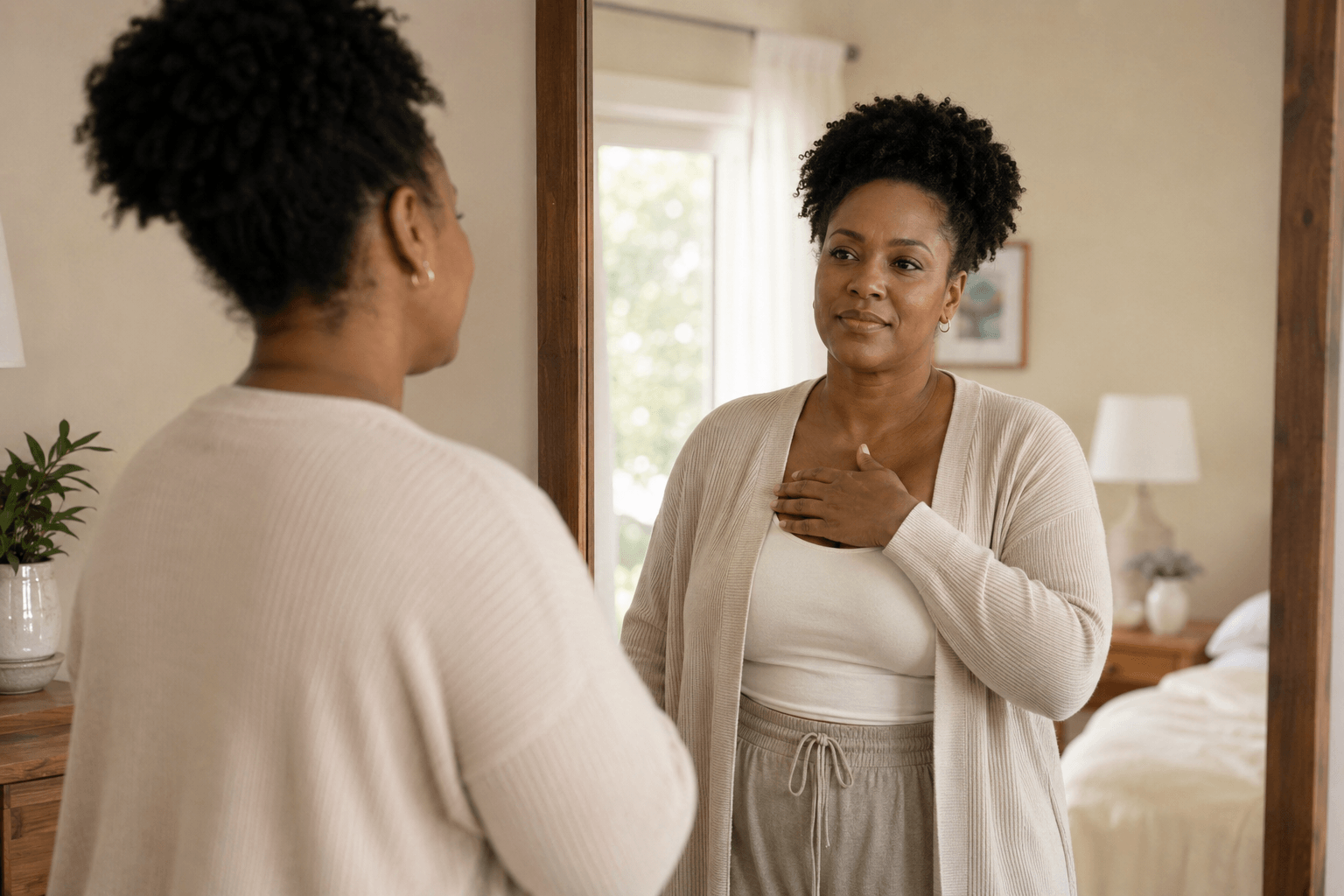

Explore body image concerns, shame, self-criticism, identity, emotional needs, and expectations that may affect the way you see yourself.


Develop a clearer understanding of emotional exhaustion, recurring stress patterns, and the demands that may be leaving you feeling depleted or disconnected.
Leslie’s Approach to Counseling
My approach is compassionate, collaborative, and grounded in respect. Counseling is responsive to your experiences, needs, preferences, and goals rather than built around a one-size-fits-all process.
Depending on what brings you to counseling, our work may include:

Neuroscience-informed counseling uses practical information about the brain and nervous system to help you understand thoughts, emotions, stress responses, attention, and learned patterns.
I explain these concepts in accessible language and connect them to the experiences bringing you to counseling. We may then work on skills for redirecting attention, regulating emotional responses, becoming more present, and responding differently to difficult situations.

I want you to feel welcomed, respected, and comfortable asking questions.
You are encouraged to discuss your concerns, share what feels helpful, and be honest when something does not feel right for you. We work together to understand what is happening, identify your goals, and determine which counseling tools may be most useful.

Counseling can address painful and deeply personal experiences without feeling cold, formal, or intimidating.
Warmth, playfulness, and appropriate humor may also be part of our work together.
What You Can Expect in Counseling

Step 01
Reach out by phone, email, or the website contact form to ask about availability.
I typically speak with prospective clients before scheduling. This conversation allows us to discuss what you are looking for and whether my experience and approach may be a good fit.
Submitting a website form, sending an email, or leaving a message does not establish a therapeutic relationship.

Step 02
Your first appointment gives us time to discuss what has been happening, what led you to seek counseling, and what you hope may change.
I may spend more time explaining concepts during the first session or two as I help you become comfortable with the counseling process. You will also have time to ask questions and discuss concerns about beginning therapy.

Step 03
Early sessions may include education about recurring thoughts, attention, nervous system responses, emotional regulation, and relationship patterns.
The purpose is to help you understand how the brain and body can learn certain responses and how those patterns may be influenced over time.

Step 04
We may work on interrupting unhelpful thought cycles, returning attention to the present moment, regulating emotional responses, strengthening boundaries, and responding differently to difficult situations.
Depending on your needs and preferences, I may also introduce meditation, mindfulness-based strategies, Acceptance and Commitment Therapy, attachment-based work, or EMDR.

Step 05
As counseling continues, we will review your progress, adjust your goals, and identify the tools that are most helpful in your daily life.
Counseling is collaborative. I bring professional experience, education, and guidance. You bring knowledge of your history, relationships, values, needs, and personal goals.

Counseling Experience and Professional Background
My interest in counseling women began when I entered graduate school in 1989.
I earned a Master of Counseling and a Master of Science from Georgia State University. During my graduate training, I completed practicum and internship experience at the Hub Counseling Center, where the practice focused on supporting women with histories of sexual abuse.
My professional background has included work in:
These roles helped me gain experience supporting people through anxiety, depression, trauma, relationship conflict, grief, substance-use concerns, eating and body image concerns, and significant life changes.
I opened my private practice in 2011. Today, my work focuses primarily on individual counseling for women.
I have completed EMDR training and have pursued continuing education in EMDR since 2012. I may incorporate EMDR when it is clinically appropriate and aligned with a client’s needs and goals.
I also incorporate Mindfulness-Based Cognitive Therapy, attachment-based methods, Acceptance and Commitment Therapy, mindfulness, meditation, emotional regulation strategies, and neuroscience education into my work.
A Counseling Relationship Built on Trust

We will discuss what counseling involves, what confidentiality means, and what you can expect from the process.

You are not expected to disclose your entire history during your first appointment. Trust can develop over time.
Counseling may be more helpful when you are willing to reflect on what we discuss and practice relevant skills between sessions.

You are encouraged to ask questions, discuss concerns, and share what does or does not feel helpful.
Insurance, Telehealth, and Appointment FAQs

My current practice focuses primarily on individual counseling for women.
The first session is an opportunity to discuss what brought you to counseling, what you have been experiencing, and what kind of support may be helpful.
I may also introduce information about thoughts, attention, recurring patterns, and nervous system responses. You will have time to ask questions and begin identifying goals for counseling.
No. Many women begin counseling with a general sense that something feels heavy, unsettled, overwhelming, or unresolved.
We can take time to identify what is affecting you and decide where it may be most helpful to begin.
Neuroscience-informed counseling uses practical information about the brain and nervous system to help you understand thoughts, emotions, attention, stress responses, and learned patterns.
We may then work on skills for redirecting attention, regulating emotional responses, becoming more present, and responding differently to difficult situations.
Counseling is confidential, with certain legal and ethical exceptions involving safety, abuse, court orders, or other circumstances required by law.
Confidentiality and its limits will be reviewed as part of the informed-consent process.
Telehealth counseling is available to eligible clients who are located in North Carolina at the time of each appointment.
My current practice focuses on individual counseling.
You can contact Leslie McKenna Counseling by phone, email, or the website contact form.
I typically speak with prospective clients before scheduling so we can discuss what you are looking for, my current availability, and whether my experience and counseling approach may be a good fit.
Leslie McKenna Counseling participates with selected commercial insurance plans including:
I do not accept Medicare, Medicaid or Tricare.
Insurance networks, participation, and individual benefits may change. Please contact the office and your insurance provider to confirm current network participation, eligibility, deductibles, copayments, authorization requirements, and coverage before your first appointment.
No. Leslie McKenna Counseling is not an emergency or crisis service. Website messages, emails, and contact forms are not monitored as emergency services and do not establish a therapeutic relationship.
If you are experiencing an immediate emergency, believe you may harm yourself or someone else, or need urgent medical or mental health assistance, call 911 or go to the nearest emergency department.

Ready to Take the First Step?
Starting counseling can feel vulnerable, especially when you are preparing to discuss experiences you may have carried privately.
When you contact me, we can talk about what you are looking for, my current availability, and whether my experience and counseling approach may fit your needs.
You do not need to have a clear explanation for everything you are feeling. You only need a place to begin.