
Healing Approach

A Whole-Person Approach to Counseling for Women in Hickory, NC

At Leslie McKenna Counseling in Hickory, NC, I offer a compassionate, personalized approach that considers the emotional, relational, physical, spiritual, and creative parts of healing.

Counseling does not need to follow one fixed path. I work collaboratively with each client to understand what she is experiencing, what feels most important, and what kind of support may be helpful.

Depending on your needs and comfort level, counseling may include practical tools, emotional processing, education about the brain and nervous system, wellness awareness, spirituality, or creative reflection.
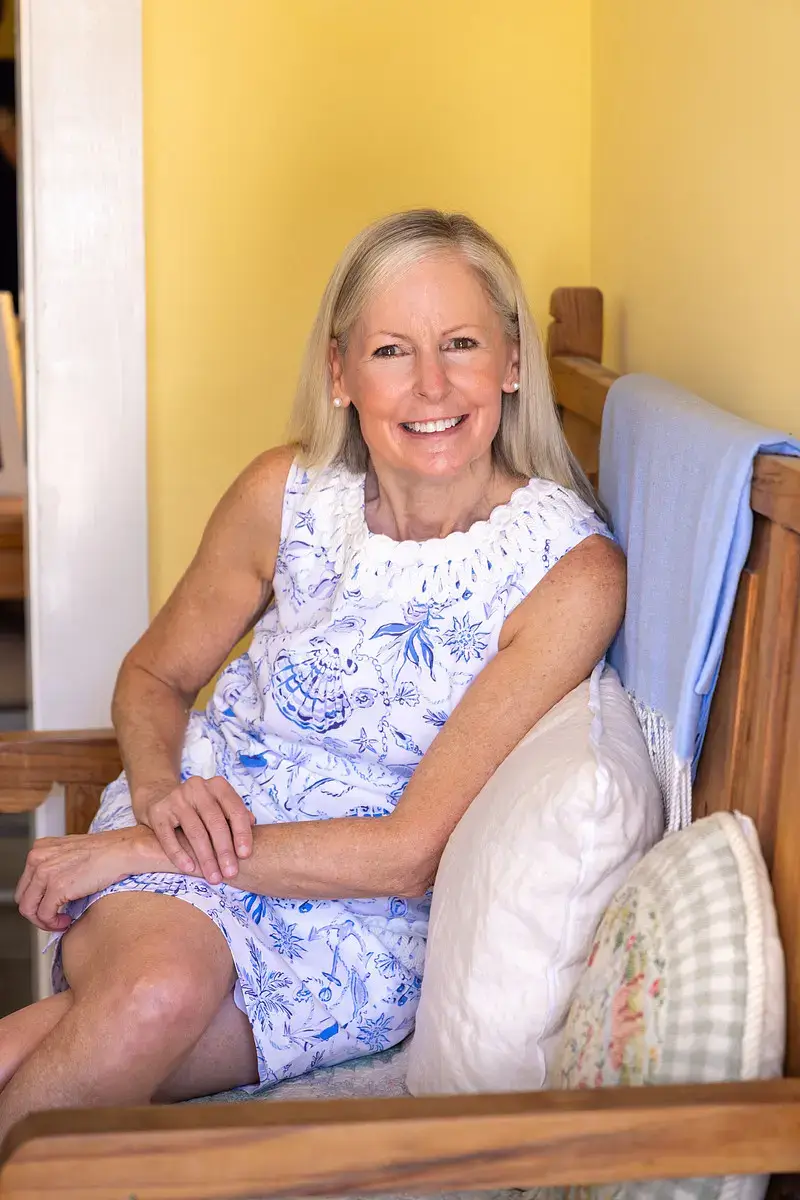
A Personalized Approach to Healing

Care tailored to your individual needs.

Approach

Compassionate, collaborative, and centered on your individual needs and goals.

Who I Support

Women seeking help with emotional well-being, stress, healing, relationships, or personal growth.

What Counseling May Include

Emotional processing, practical tools, nervous system education, mind-body awareness, wellness reflection, spirituality, or creative exercises.

Your Next Step

Contact me to ask about counseling, availability, and whether my approach may be a good fit for you.

Healing Is Personal, Layered, and Human

Healing is not one-size-fits-all.

Relationships, past experiences, stress, nervous system responses, physical health, personal beliefs, grief, identity, creativity, and the demands of daily life can all influence emotional well-being. These parts of life often overlap, which is why counseling may need to consider more than one concern or perspective.

I work to understand the whole person without assuming that every client needs the same tools or approach.

Some women may want practical strategies for managing stress or anxiety. Others may need space to process emotions, understand recurring patterns, explore personal beliefs, or reconnect with a clearer sense of self.

Counseling may include supportive conversation, reflection, emotional processing, education, and practical tools. We can move at a manageable pace and adjust the work based on what feels useful to you.

Approaches That May Support Your Counseling

Personalized perspectives and tools.

You do not need to choose a specific approach before beginning counseling. These perspectives and tools may be included when they fit your needs, goals, interests, and comfort level.

Neuroscience-Informed Therapy

Thoughts, emotions, physical sensations, and nervous system responses can influence how we react to stress and everyday experiences.

Neuroscience-informed therapy may help you better understand emotional patterns, triggers, stress responses, and what happens in your body when you feel overwhelmed.

I may share information about the brain and nervous system in clear, relatable language. The goal is not to make counseling feel more clinical. It is to help you understand your experiences with greater compassion and less self-judgment.

The Gut-Brain Connection and Emotional Well-Being

Emotional and physical well-being can affect one another. Stress may influence the body, while physical discomfort, low energy, sleep changes, or other health concerns may affect mood and emotional resilience.

My counseling approach may include space to notice these connections from a whole-person perspective.

I do not provide medical, nutritional, or supplement advice. When medical or nutritional concerns arise, clients should seek guidance from an appropriately licensed healthcare provider.

Positive Psychology

Positive psychology is not about ignoring pain or forcing yourself to feel positive.

In counseling, it may involve recognizing personal strengths, exploring values, building resilience, and reconnecting with meaning or hope while still making room for grief, stress, trauma, and other difficult experiences.

I may help you identify the skills and qualities you already use and explore how those strengths can support you in daily life.

Spirituality and Counseling

For some women, spirituality, faith, meaning, or personal beliefs are important parts of emotional well-being. Others may be exploring questions about identity, purpose, grief, connection, or what they believe.

I offer a respectful space to explore these areas when they are meaningful to you.

Spirituality is not required and will not be included unless you want it to be part of counseling. My practice welcomes clients with different beliefs, backgrounds, identities, and orientations.

Counseling can remain fully supportive if you do not want to include faith or spirituality.

Health and Wellness Awareness

Daily routines can influence emotional well-being. Stress, sleep, rest, movement, boundaries, self-care, and the demands placed on you may all affect how you feel.

Health and wellness in counseling is not about perfection, performance, weight loss, or following a strict plan. It is about noticing patterns that may support or strain your well-being and exploring realistic changes when appropriate.

I may help you consider what your mind and body need, where daily routines feel difficult, and how you can create more support in your everyday life.

Creative Reflection and Healing

Sometimes words do not fully express what a person is feeling.

Creative reflection may offer another way to process emotions, understand an experience, or explore something that feels difficult to explain.

Depending on your interests and comfort level, counseling may include journaling, imagery, metaphor, guided reflection, or other expressive exercises.

These practices are optional and client-led. They are not formal art therapy, and you do not need to think of yourself as creative to explore them.

How These Approaches May Support You

Understanding, awareness, and practical support.

Understanding Emotional and Relationship Patterns

Counseling can help you explore patterns in your thoughts, emotions, relationships, behaviors, and nervous system responses.

Understanding a pattern does not mean blaming yourself for it. It may help you recognize where a response began, why it continues, and what other options may be available.

Building Mind-Body Awareness

A whole-person approach may help you notice connections among your thoughts, emotions, physical cues, stress, values, relationships, and needs.

Greater awareness can create more space to make thoughtful decisions rather than automatically returning to familiar reactions.

Developing Practical Tools for Daily Life

Counseling may include tools you can use outside of sessions.

Depending on your needs, these may involve grounding, emotional regulation, communication, boundaries, self-care, present-moment awareness, or ways to respond to stress.

Honoring Your Story, Values, and Identity

I do not view clients as a diagnosis or a collection of symptoms.

My approach considers your story, beliefs, body, relationships, identity, strengths, goals, and lived experiences. Counseling is personalized because every person arrives with a different history and set of needs.

What to Expect From a Personalized Counseling Approach

We can begin with what you know.

You do not need to know exactly what kind of support you need before beginning counseling in Hickory, NC.

You may not know whether nervous system education, positive psychology, wellness awareness, spirituality, or creative reflection would be helpful. You may know that something feels difficult, unresolved, or out of balance.

Some clients benefit from practical tools and education. Others need time to process emotions, understand relationship patterns, explore meaning, or reconnect with self-worth. Many clients benefit from different approaches at different points in counseling.

We can talk about what feels comfortable, what you hope to address, and which forms of support fit your goals. The purpose is to provide counseling that feels respectful, grounded, and connected to your needs.

Frequently Asked Questions About Counseling

Questions about a personalized approach.


No. My work is personalized.

I use only the perspectives and tools that appear appropriate for each client’s needs, goals, interests, and comfort level.


Whole-person counseling recognizes that emotional well-being may be influenced by several parts of life, including relationships, stress, physical health, values, personal beliefs, routines, identity, and lived experiences.

It does not mean that every area needs to be discussed. We can focus on what is relevant to you.


No. These perspectives are used within a counseling relationship and do not replace medical care, nutrition care, psychiatric care, or other professional services when those services are needed.


No. Spirituality and creative exercises are optional.

They are included only when they are meaningful to you and feel appropriate for your counseling goals.


Yes. You are welcome to contact me to ask about my counseling approach, services, availability, fees, or what beginning counseling may look like.

Take the Next Step

We will work together to find the best counseling approach for you.

You do not need to know which counseling approach you need before reaching out.
We can begin by talking about what you are experiencing, what you hope will change, and whether my approach may be a good fit for you.

Crisis Disclaimer

This website and its contact forms are not intended for emergency or crisis support.

If you are experiencing a mental health emergency or are in immediate danger, call 911 or go to the nearest emergency room.

If you are in crisis in the United States, call or text 988 for immediate support.

Please do not include urgent or emergency information in a website contact form. The form is not monitored for crisis support.