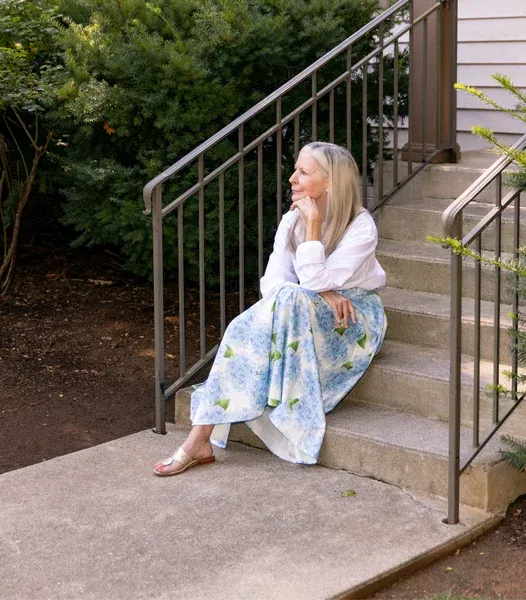
A gentle, client-led approach that may use creativity, reflection, journaling, metaphor, or expression to support emotional processing.
Sometimes, finding the right words for what you’re feeling isn’t easy. You may know something is bothering you but struggle to explain exactly what. Other times, you might return to the same thoughts or experiences without fully understanding why they keep affecting you.
I believe counseling should offer room to explore those experiences in ways that feel comfortable and meaningful to you.
Creative healing may be one part of that process. Through reflection, relatable examples, metaphor, or optional expressive activities, we can explore different ways of understanding your thoughts and emotions.
My approach is personal, compassionate, and grounded in helping you better understand yourself. You don’t need to be artistic or have any experience with creative activities. We’ll focus on what feels useful to you.

Creative healing may involve journaling, reflection, metaphor, imagery, or other forms of expression to help explore thoughts, emotions, and personal experiences.
Creative reflection may help you find language for difficult feelings, recognize recurring patterns, and explore experiences from a different perspective.
I value relatable examples, compassionate conversation, and personalized counseling. Creative activities are optional and guided by your needs, goals, and comfort level.
Contact me with questions about counseling or to request an appointment.
Talking is an important part of counseling, but sometimes words alone don’t fully capture what we’re experiencing.
You might find it hard to describe a particular emotion, or you may have talked about something many times without feeling you fully understand how you respond to it.
Creative healing offers another possible way to explore those experiences.
This might involve writing about a feeling, reflecting on an image, using a metaphor to describe a difficult situation, or considering a familiar experience from a different perspective.
The purpose isn’t to create something artistic or find a hidden meaning in everything you do. It’s simply to make room for reflection and self-understanding.
In my counseling practice, I often use everyday examples to show how our thoughts and emotions shape our experience of life. One example is a concept I call “Chatter Girl.”
Chatter Girl is my name for the familiar stream of negative, critical, or fearful thoughts that can occupy our attention. By naming those thoughts, we can begin to recognize them as patterns rather than automatically accepting everything they tell us.
It’s a simple metaphor, but it offers another way to talk about something that might otherwise feel complicated or hard to explain.
Creative reflection can serve a similar purpose. Sometimes approaching an experience differently may help you notice something you hadn’t recognized before.
Creative healing does not require artistic skill. It may be used only when it feels helpful and comfortable for the client.
If you prefer to talk through your experiences without journaling or other creative activities, that’s perfectly fine. There is no expectation that creativity needs to be part of your counseling experience.
Sometimes writing down your thoughts can help you reflect on experiences that feel difficult to explain in conversation. If you’re interested, we may use journaling or simple writing prompts to explore your feelings, recurring thoughts, or experiences between sessions.
There’s no expectation that you write a certain amount or share anything you’re uncomfortable discussing.
Metaphors can make complicated thoughts and emotions easier to describe. I often use familiar examples in counseling because I want the concepts we discuss to make sense in everyday life.
We may explore comparisons or images that help you understand a recurring thought pattern, emotional response, or personal experience from another perspective.
Sometimes you know you’re experiencing something difficult but aren’t sure how to put it into words. Optional expressive activities may offer another way to begin exploring those feelings.
These activities aren’t about creating something to evaluate. They’re simply opportunities to express and reflect on your experiences in ways that feel comfortable.
One goal of my counseling approach is to help clients gain more awareness of their thoughts, emotions, and reactions.
Creative reflection may also help you notice patterns, consider different perspectives, and develop language for what you’re experiencing. That awareness can become part of our ongoing conversations about your emotional well-being and personal goals.
One of the things I enjoy most about counseling is helping clients understand experiences that may have felt confusing, overwhelming, or difficult to put into words.
My approach is grounded in neuroscience, but I don’t want our sessions to feel like a science class. I want the information we discuss to be relatable and useful in your everyday life.
That’s part of why I enjoy using metaphors, examples, and a little humor when appropriate. For example, when I introduce clients to Chatter Girl, I give them a way to recognize negative thought patterns without assuming those thoughts define who they are.
We may talk about how Chatter Girl tends to focus on painful memories, future worries, or critical beliefs about ourselves. From there, we can explore ways to notice those thoughts and redirect attention to the present moment.
I believe that learning to recognize our thoughts with greater awareness can be an important part of counseling. Depending on your interests and goals, we might also consider other forms of creative reflection, such as journaling, writing prompts, or imagery. I wouldn’t expect you to complete these activities simply because they’re available. I want our work to feel collaborative.
If an exercise feels uncomfortable, unhelpful, or uninteresting, we can explore something else. If you would rather talk through your experiences, we can focus on conversation.
We can also bring warmth and humor into our work. Counseling may involve painful experiences, but that doesn’t mean every moment needs to feel serious or clinical.
My goal is to help you feel comfortable exploring your experiences while respecting your individual needs, preferences, and pace. Creative reflection is an optional part of counseling and isn’t the same as formal art therapy, which is a distinct professional practice.
Creative healing isn’t about producing something meaningful or experiencing a particular emotional breakthrough. It’s about allowing space to reflect on your experiences and considering different ways to understand what you’re feeling. Depending on your needs and comfort level, you may experience:
Every person's experience is different. We'll discuss what you hope to work on and consider which approaches feel right for you.
Creative reflection may complement other counseling approaches that focus on emotional awareness, self-understanding, and personal growth. Depending on your experiences and goals, you may also find the following approaches and services relevant.
Explore how recognizing personal strengths, reflecting on values, and considering sources of meaning may support emotional well-being.
Learn more about counseling support for difficult or traumatic experiences, including the importance of emotional safety and personalized care.
Explore counseling support for difficult thoughts, feelings, and experiences related to body image, self-perception, and body shame.
Learn about counseling that considers the personal experiences, relationships, emotional challenges, and life transitions women may navigate. You can also explore my Healing Approaches overview, learn more about Leslie's Approach, review Counseling Services, or Contact Leslie if you're unsure where to begin.
Not at all. You don’t need artistic experience, writing skills, or any particular creative ability to explore reflective activities. The focus is on understanding your experiences, not producing something artistic or impressive.
No. Creative reflection during counseling isn’t necessarily the same as formal art therapy, which is a distinct professional practice. I’m describing optional reflective and expressive activities here, not representing them as a separate formal art therapy service.
Depending on your interests and goals, we might consider journaling, reflective writing, metaphors, imagery, or simple exercises that help you describe your experiences. I also use relatable examples, such as my Chatter Girl concept, to make thoughts and emotional patterns easier to discuss. Any creative activity would be optional.
It may provide another way to begin exploring feelings that are hard to describe. Sometimes writing a thought down or using a familiar comparison can help you find language for an experience. We can explore whether that feels useful without pressuring you to communicate in any particular way.
You can contact me with questions about counseling or to request an appointment. I typically start with a brief phone conversation to discuss what you’re looking for, answer questions, and see whether working together is a good fit.
If you are curious whether counseling may help, Leslie McKenna Counseling offers a supportive space to ask questions, learn about availability, and decide whether this feels like the right next step.
If you are experiencing a mental health emergency or are in immediate danger, call 911 or go to the nearest emergency room. If you are in crisis, call or text 988 for immediate support.
Please do not include urgent or emergency information in this form. This form is not monitored for crisis support.