
A strengths-based counseling perspective that honors your difficulties while helping you reconnect with your resilience, meaning, values, and hope.
Positive psychology in counseling focuses on recognizing personal strengths, exploring what gives life meaning, and supporting emotional well-being while still acknowledging difficult feelings and experiences.
When life feels overwhelming, discouraging, or uncertain, it can be hard to recognize your strengths or see beyond what you’re struggling with.
I believe counseling should give you space to talk openly about what hurts while also helping you recognize the qualities, experiences, and relationships that may support you as you move forward.
In my counseling practice, positive psychology is one perspective we may explore together. It doesn’t mean expecting you to be happy all the time or asking you to find something positive in every situation. Instead, it offers a way to understand yourself more fully, reconnect with what matters, and explore possibilities for personal growth.
My approach is compassionate, personalized, and guided by your needs, goals, and emotional readiness.
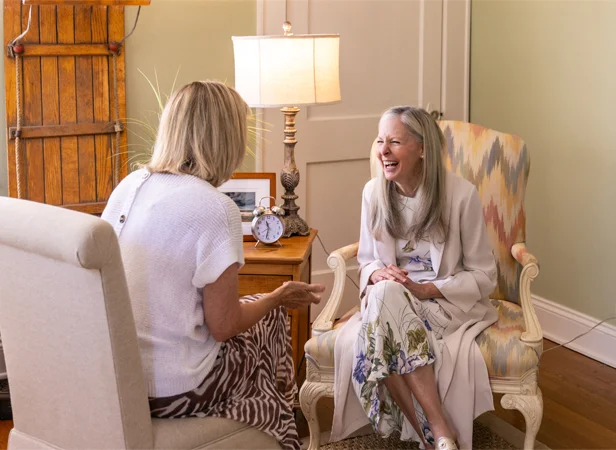
Positive psychology is a strengths-based perspective that focuses on personal strengths, resilience, values, meaning, and the experiences that contribute to emotional well-being. It does not require you to ignore emotional pain.
This perspective may help you recognize your strengths, develop greater self-compassion, reconnect with what matters to you, and explore ways to respond to life’s challenges
I combine warmth, collaboration, and a neuroscience-informed perspective to help clients better understand their thoughts and emotional experiences. We can acknowledge what is difficult while making room for hope and personal growth when you’re ready.
Contact me with questions about counseling, to discuss your concerns, or to request an appointment.
Positive psychology is not the same thing as positive thinking. It doesn’t mean looking on the bright side of every situation, ignoring painful emotions, or expecting yourself to stay optimistic when life feels difficult.
Instead, positive psychology explores the strengths, relationships, values, and experiences that help people find meaning, connection, and emotional well-being.
In counseling, this perspective can be used alongside conversations about anxiety, depression, grief, trauma, stress, and other difficult experiences. Recognizing your strengths does not mean minimizing what you have been through.
Sometimes you need space to feel sad, angry, disappointed, exhausted, or uncertain without being encouraged to see something positive in the situation. I believe those feelings deserve attention and respect.
When it feels appropriate, we may also explore the qualities and resources that have helped you navigate challenges in the past. You might recognize your ability to persevere, the importance of certain relationships, or the values that have guided you through difficult decisions.
The goal is not to replace negative feelings with positive ones. It is to develop a fuller, more compassionate understanding of yourself.
You can acknowledge what hurts while also recognizing your strengths. There is room for both.
Positive psychology may support counseling by helping you recognize personal strengths, reconnect with your values, develop self-compassion, and explore what hope and resilience mean in your life. We focus on areas that match your experiences and counseling goals.
When you’re struggling emotionally, it’s easy to focus on your mistakes, perceived shortcomings, or things you believe you should handle differently.
A strengths-based perspective offers room to consider another side of your experience.
Together, we may explore qualities you’ve relied on during difficult times, such as persistence, compassion, creativity, courage, or your ability to support others.
These strengths do not erase your challenges. Recognizing them may help you see yourself as more than the difficulties you’re currently experiencing.
Stress, responsibilities, relationship challenges, and major life transitions can sometimes leave you feeling disconnected from what matters most.
Counseling can give you space to identify your values and consider how they shape your choices, the relationships you maintain, and how you spend your time.
For example, you might realize that connection, independence, creativity, family, or personal well-being has become less present in your daily life than you would like.
We can explore what those values mean to you and whether small, realistic changes might help you feel more connected to them.
Resilience does not mean being unaffected by difficult experiences or always knowing how to handle them.
It involves how you respond to challenges, find support, adapt as circumstances change, and keep moving forward in ways that matter to you.
In counseling, we may explore how you’ve navigated past difficulties, what has helped you cope, and where you may be holding yourself to unrealistic expectations.
We can also work toward responding to your own struggles with more compassion. Instead of judging yourself for difficult feelings, you may begin to understand those experiences with more patience and less self-criticism.
Hope doesn’t require certainty that everything will work out the way you want.
Sometimes hope begins with the possibility that your current circumstances, feelings, or patterns do not have to define your entire future.
When you’re feeling discouraged, it may be difficult to imagine anything changing. Counseling can provide space to talk about those feelings without pressure.
When you’re ready, we may explore what you want to change, which possibilities feel realistic, and small steps that might support meaningful change.
Hope can develop gradually. You do not need to feel hopeful before beginning counseling.
I believe one of the most important things clients can begin to recognize is that they are more than the thoughts, emotions, and difficult experiences they carry.
In my practice, I often talk about something I call “Chatter Girl.” This is my name for the ongoing stream of conditioned thoughts that may be critical, fearful, or focused on past experiences and future worries.
You might notice thoughts telling you that you’re not good enough, that you’ve made too many mistakes, or that something is bound to go wrong. When those thoughts become especially loud, they can affect how you see yourself and the possibilities available to you.
Part of our work may involve noticing those patterns without automatically accepting every thought as the truth about who you are.
This connects naturally with a strengths-based perspective. As we become more aware of self-critical or discouraging thoughts, we may also explore the qualities, values, and experiences that those thoughts sometimes overshadow.
My counseling approach is informed by neuroscience, and I enjoy helping clients understand how the brain, thoughts, emotions, and nervous system can influence everyday experiences. I try to make these ideas understandable and relevant, not overly clinical.
I also believe warmth and humor belong in counseling. We can take your experiences seriously while still allowing moments of connection, curiosity, and even laughter when appropriate.
When positive psychology fits your needs, we may explore your strengths, meaningful relationships, values, sources of hope, and how you’ve responded to past challenges.
However, I will never expect you to find a positive lesson in something painful before you’re ready. If you’re grieving, discouraged, overwhelmed, or working through a difficult experience, we’ll make room for that first.
Our work is a collaboration. I’ll share ideas and perspectives when they seem helpful, but your experiences, goals, and emotional readiness will guide the process.
Positive psychology in counseling isn’t about becoming a different person, eliminating difficult emotions, or staying positive all the time.
It’s about developing a more complete understanding of yourself while exploring the strengths, values, and relationships that may support your emotional well-being.
Depending on your goals and needs, this approach may offer:
Not everyone will connect with positive psychology the same way, and it doesn't need to be the focus of every counseling session. We can discuss what you're experiencing and determine whether this perspective, alongside other counseling approaches, may be useful for your goals.
No. Positive thinking generally means focusing on optimistic thoughts or interpretations. Positive psychology is a broader perspective that explores strengths, relationships, meaning, resilience, and well-being. It does not require constant positivity or encourage ignoring painful circumstances.
A strengths-based perspective may help some people experiencing discouragement, self-criticism, or a reduced sense of hope. It may help you reconnect with your strengths and the meaningful parts of your life. However, positive psychology is not a stand-alone replacement for appropriate depression treatment or other mental health care. We can discuss your concerns and consider which approaches fit your needs.
Absolutely. Your feelings and experiences matter, even when they’re painful, complicated, or difficult to explain. I won’t expect you to find a bright side or move toward personal growth before you’re ready. Counseling should give you room to talk about what hurts while exploring other perspectives only when they feel appropriate.
Positive psychology may support personal growth by helping you recognize your strengths, clarify what matters to you, and better understand how you’ve responded to challenges. These conversations may help you identify meaningful goals, approach yourself with greater compassion, and consider changes that align with your values.
You can contact Leslie McKenna Counseling with questions or to request an appointment. I typically start with a brief phone conversation to discuss your concerns, answer initial questions, and see whether working together might be a good fit. You do not need to know which counseling approach is right for you before reaching out.
You don’t need to have everything figured out before considering counseling.
At Leslie McKenna Counseling in Hickory, NC, I offer a compassionate, personalized space for women to explore difficult experiences, better understand themselves, and consider what support may be helpful.
Whether you’re feeling overwhelmed, discouraged, disconnected from your strengths, or simply curious about counseling, you’re welcome to reach out.
We can begin with a conversation about what you’re experiencing, what matters to you, and whether my approach feels like a good fit.
If you are experiencing a mental health emergency or are in immediate danger, call 911 or go to the nearest emergency room. If you are in crisis in the United States, call or text 988 for immediate support.
Please do not include urgent or emergency information in this form. This form is not monitored for crisis support.